Space for work is scarce. A strong economy requires future-proof work locations, especially given the new direction of the province of South Holland, in which both living and working will have to make do with the space they currently have. This can be read on the Holland Rijnland website.
This calls for revitalization, intensification and redevelopment of existing business parks, more efficient use of space, area-specific intensification, housing the right companies in the right place and creating shift space. The Ruimtelijke Ontwikkelingsmaatschappij bedrijventerreinen (the ROM-B) is an instrument to address this.
The creation of the ROM-B is being worked on initially in the Leiden region, as part of Key Region Leiden’s business park strategy (with representation from municipalities and businesses).
Space for work is scarce. A strong economy requires future-proof work locations, especially given the new direction of the province of South Holland, in which both living and working will have to make do with the space they currently have. This can be read on the Holland Rijnland website.
This calls for revitalization, intensification and redevelopment of existing business parks, more efficient use of space, area-specific intensification, housing the right companies in the right place and creating shift space. The Ruimtelijke Ontwikkelingsmaatschappij bedrijventerreinen (the ROM-B) is an instrument to address this.
The creation of the ROM-B is being worked on initially in the Leiden region, as part of Key Region Leiden’s business park strategy (with representation from municipalities and businesses).
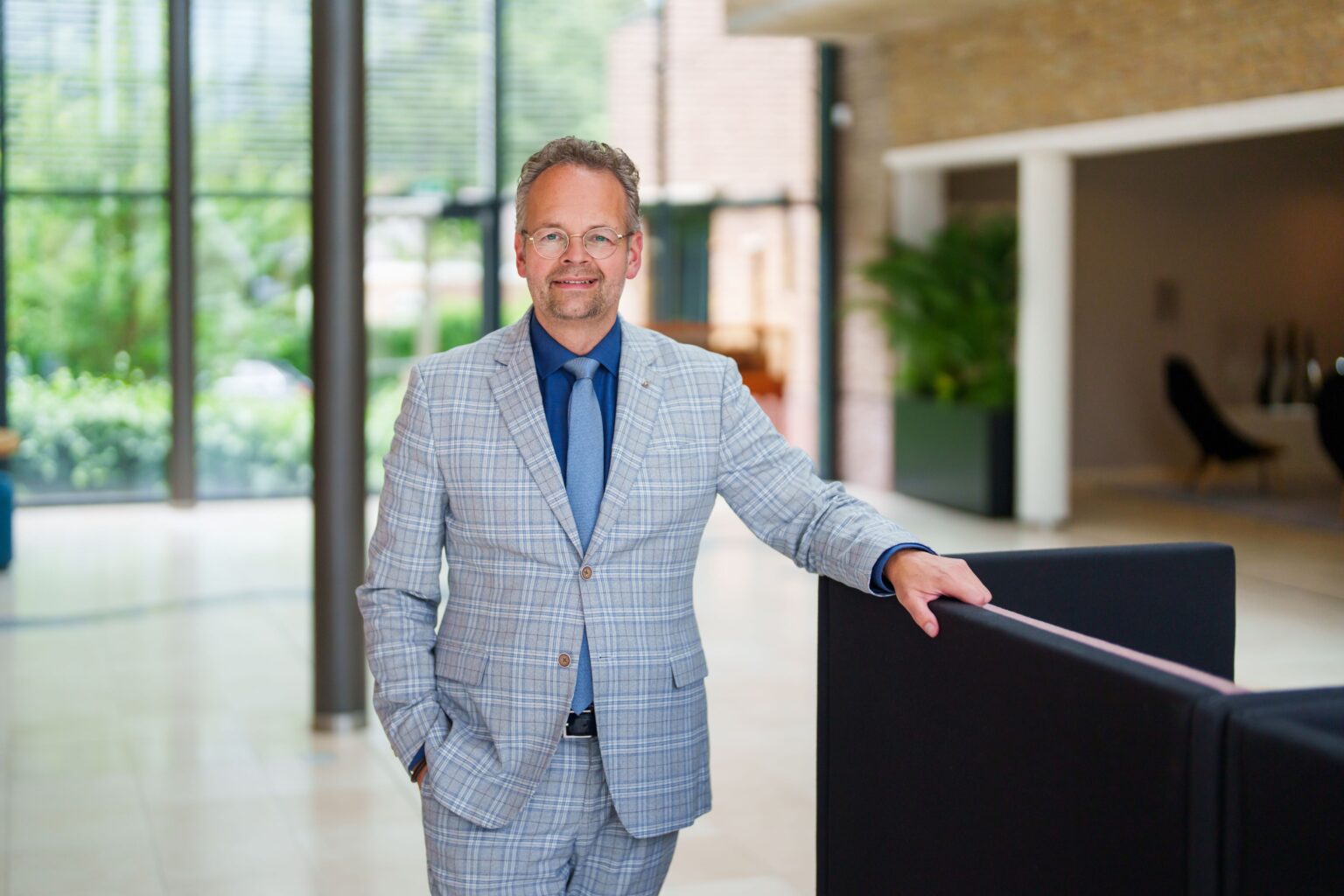
Key Region Leiden is now starting an exploration into the establishment of a ROM-B as a pilot of Holland Rijnland. The aim is to provide space for businesses on existing business sites, to contribute to the solidification of soft planning capacity, to balance living and working and thus to make an important and necessary contribution to broad prosperity. We interview Jacco Knape, alderman for the economy in Katwijk and administrative leader of the regional business parks steering committee, about the approach.
Why is the broad Leiden region so important to South Holland’s economy?
“The Leiden region is a powerful economic engine within South Holland. Thanks to its strong knowledge economy, including the Leiden Bio Science Park, Unmanned Valley and the NL Space Cluster, Regio-071 plays a key role in the economic dynamics of the urban axis of Holland Rijnland, with positive effects on South Holland and the Netherlands. In addition, the presence of business activity on the various business parks is essential for a well-functioning city and region. It is crucial to maintain sufficient space for this activity. After all, where people live, they must also be able to work.”
>> ‘Where you live, you must also be able to work’
What are the expectations for the coming years, especially for employment?
“The region is experiencing continuous growth. For example, the number of jobs at the Leiden Bio Science Park has grown by as much as 37% since 2010. That is much more than the South Holland average of 7%. Between 6,000 and 9,000 new jobs are expected to be created at the Bio Science Park alone until 2027. And that’s not counting growth in other sectors. Growth is also on the cards in the local economy, which is often located in business parks. After all, more residents also means more work for the broad-based SME sector. We want to keep those jobs close by, shortening the commuting distance and reducing road congestion. Those new jobs provide opportunities for our region in terms of sustainable growth and broad-based prosperity. We are an important partner for the province on those policy goals.”
How does the Leiden region plan to manage this growth?
“One way we want to do that is by making our business parks more compact, sustainable and green. In addition to the additional space needed for business activity, we are cleverly creating space on existing sites for companies that want to locate or grow here. But we need the right resources to do this. A Spatial Development Company for Business Sites, the ROM-B, is in our view a crucial instrument to enable the better use of space on existing business sites.”
>> ‘With this tool, we achieve multiple goals’
Why is this ROM-B so important to the region?
“We attach great importance to space for business activity. Perhaps in time this will require looking more broadly than existing sites. Given the provincial frameworks in this area, however, we are making a vigorous start on making better use of existing sites. With the ROM-B we can make targeted investments in the improvement of business sites. This not only creates employment, but also contributes to broader social goals, such as sustainability, greening, climate resilience and energy transition. In addition, it allows us to strengthen public-private partnerships, making projects faster and more efficient.”

Why does Key Region Leiden want to take the lead?
“In the Leiden region, we already have a strong foundation of cooperation between governments, entrepreneurs and knowledge institutions through Key Region Leiden. That makes us the ideal place for a ROM-B pilot. Both governments and entrepreneurs have expressed the desire to set up a ROM-B and are working hard on it together. If this ROM-B is successful, we can expand the model to other parts of the Holland-Rijnland region. Clout and scalability are important points here. In this way we can jointly tackle the challenges we face as a region, because the economy does not stop at municipal boundaries. The Leiden region sees the power of cooperation and is therefore happy to take the lead in the exploration towards a ROM-B.”
What is needed to make the ROM-B successful?
“The municipalities and cooperation partners are willing to invest heavily to create space for businesses. However, we will not get there alone. Provincial support, and perhaps support from the state, will also be needed to achieve the necessary financial clout. With that support, we can build a strong instrument that not only benefits our region, but also contributes to broader provincial goals. These include sustainable economic development, creating more jobs in the region and broad prosperity. Keeping the balance between living and working is key. Together we can make a positive impact.”
>> ‘Municipalities willing to invest heavily’
Finally, what would you like to give to the province?
“With the ROM-B, we are not only making the Leiden region stronger, but also contributing to a more sustainable, innovative economy for all of South Holland. The economy and broad prosperity in our province have been under pressure for years. The province therefore wants to strengthen economic performance and improve broad prosperity. We are ready to put our shoulders to the wheel and make a concerted effort to achieve this. We hope that the province appreciates the opportunities and takes an active stand for a working approach. For businesses, our residents and future generations.”
- Also read this interview with Chairman Entrepreneurial Leiden, Willem-Jan Zirkzee:
- Read more background on the ROM-B project page.
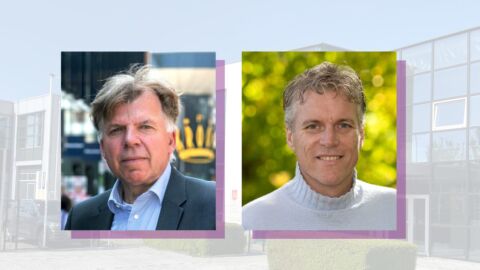
Area developers get started on ROM-B business cases
23 July 2026
Municipalities record cooperation for ROM-B exploration
23 April 2026
Next process step in exploration creating space for businesses
10 December 2025
Inspiring working visit to ROM-D in the Drecht cities
28 October 2025
‘Where you live, you must also be able to work’
3 June 2025
Paul Vismans started as quartermaster ROM-B
7 April 2025

