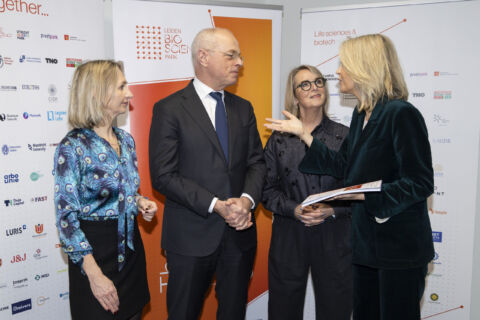
Eli Lilly and Company is to build a new €2.6 billion production facility in Katwijk to increase its drug manufacturing capacity in Europe. This new facility, which will be part of the Leiden Bio Science Park, will create 500 manufacturing jobs and 1,500 construction jobs in the Netherlands. Lilly’s production in the Netherlands strengthens the global drug supply chain.
Innovative medicines
The Katwijk facility will use advanced manufacturing technologies to meet the needs of Lilly’s growing portfolio of oral solid drugs in the areas of cardiometabolic health (e.g., diabetes and obesity), neuroscience, oncology and immunology.
“Along with the significant investments already underway in the U.S., our planned expansion in Europe strengthens our ability to deliver medicines to patients worldwide. Local manufacturing allows us to respond quickly to regional demand and accelerate distribution within Europe,” said David A. Ricks, chairman and CEO of Lilly.
“The Leiden Bio Science Park offers access to a skilled workforce, reliable infrastructure and proven pharmaceutical production capacity. We look forward to working closely with the EU, national and local governments to create favorable and predictable policies that leverage innovation and give patients faster access to innovative medicines.”
Jobs at all levels
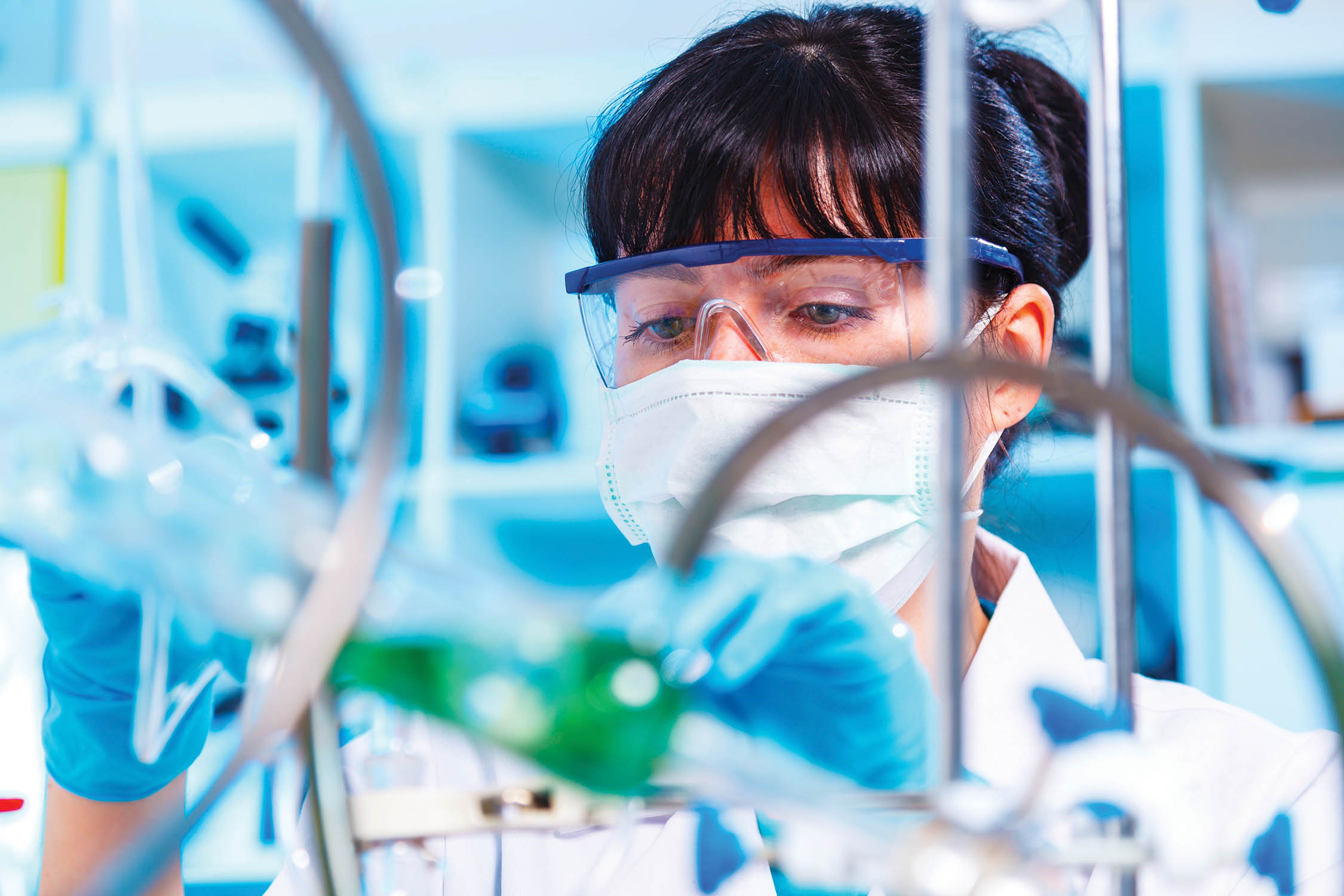
Lilly expects to create about 500 jobs in the province of South Holland, including positions for highly skilled engineers, scientists, operations personnel and laboratory technicians. They will work with state-of-the-art technologies for the production of innovative medicines. About 1,500 additional jobs will also be generated during the construction phase, which is expected to start later this year. Lilly’s final investment depends on the successful completion of regular licensing procedures and local decision-making.
“I am really proud that Lilly has chosen the Netherlands, Katwijk and the Leiden Bio Science Park out of many opportunities in Europe,” said Vincent Karremans, Minister of Economic Affairs. “The arrival of Lilly not only means new jobs and investments, but it also gives a boost to cooperation in the field of innovative medicines, allowing us to work together on solutions that really mean something for people’s health and lives.”

Life sciences ecosystem
Lilly already has a strong presence in Europe with four existing manufacturing sites in France, Ireland, Italy and Spain. To meet the growing demand for Lilly drugs, we have shared plans for three additional EU sites since 2020, including new sites in Ireland, Germany and now the Netherlands. In a recent global benchmark of 32 countries, the Netherlands ranked in the top in terms of favorable business climate for life sciences companies. Lilly’s investments in the EU create operational synergies and supply chain flexibility, support the life sciences ecosystem and strengthen relationships with universities and governments.

Close to communities
“At Lilly, we are investing globally in next-generation manufacturing facilities to ensure that our medicines are made and distributed closer to the communities and patients we serve. Expanding our capacity in Europe strengthens our global supply chain and reflects our commitment to getting innovative treatments to patients who need them,” said Edgardo Hernandez, Executive Vice President and President of Lilly Manufacturing Operations. “In addition, as we build each new facility, we find ways to put our environmental goals first – aiming for carbon neutrality in our operations and reducing to zero the waste we send to landfills. For this site, for example, we aim to generate about 15 percent of the energy on site from renewable sources.”
Even during this growth in production, Lilly’s sustainability goals remain unchanged. The company is committed to reducing its environmental footprint and has set global environmental targets for 2030, including energy and water use, greenhouse gas emissions and waste management in all business operations.

Response Gerard Mostert, Municipality of Katwijk
The company will open in the Valkenburg Lake area. And this is good news for our municipality! With this, the company invests 2.6 billion euros! That means more jobs, more housing and economic growth for our entire region!

Comment Esther Peters, Leiden Bio Science Park
We are delighted to welcome Eli Lilly to Leiden Bio Science Park, strengthening our position as a leading Life Sciences & Health hub in Europe, working on the future of health!
Their new facility in Katwijk will become part of our growing ecosystem and add significant value to the entire life sciences value chain; From research and development to large-scale production. Red biotech and life sciences & health need this end-to-end strategy. Strengthening this value chain will keep us attractive for new investments, such as the arrival of this new production facility.
The arrival of this Ei Lilly facility therefore confirms this end-to-end structure, making Leiden an even more mature, internationally competitive ecosystem. Recent research by the European Patent Office shows that Leiden University Medical Center is a leader in transferring knowledge from science to the market. Together with the announcement of Eli Lilly, it highlights Leiden’s strong contribution to innovations that reach patients and society.
Response from Alderman Veltman, Leiden municipality
The economy of the future is within reach. In our region we can contribute to the health of the Netherlands, Europe and worldwide. Biotech already contributes 1% to our GDP and that can double. New drugs and therapies also contribute to longer good health.
Lilly’s arrival is good news for Leiden Bio Science Park and Key Region Leiden. Especially at this time, it is a good signal that international cooperation in research is one of the reasons for them to come to the Netherlands and Katwijk.
The arrival of Eli Lilly shows what we need in Key Region Leiden for further growth:
- Strong regional cooperation between governments, businesses, education and science;
- Focused investment in talent, with high-quality teaching and research at all levels;
- Rapid adoption of innovative therapies that are better than existing treatments;
- Joining forces within the Netherlands to form one powerful biotech cluster;
- Easier collaboration within Europe to accelerate cross-border innovation;
- Making investing in Europe more accessible by removing barriers for European investors.

Tech Discovery Days at Unmanned Valley
5 October 2026



SME grant for feasibility studies on innovations.
4 March 2026
Els Frankhuijzen bridges the gap between strategy and execution
9 February 2026
Leiden Bio Science Park core cluster in Wennink report
7 February 2026
Pioneers capital day April 8, 2026
6 February 2026
Innovation is the key to your growth
13 January 2026
The practical applications of autonomous tech
12 January 2026